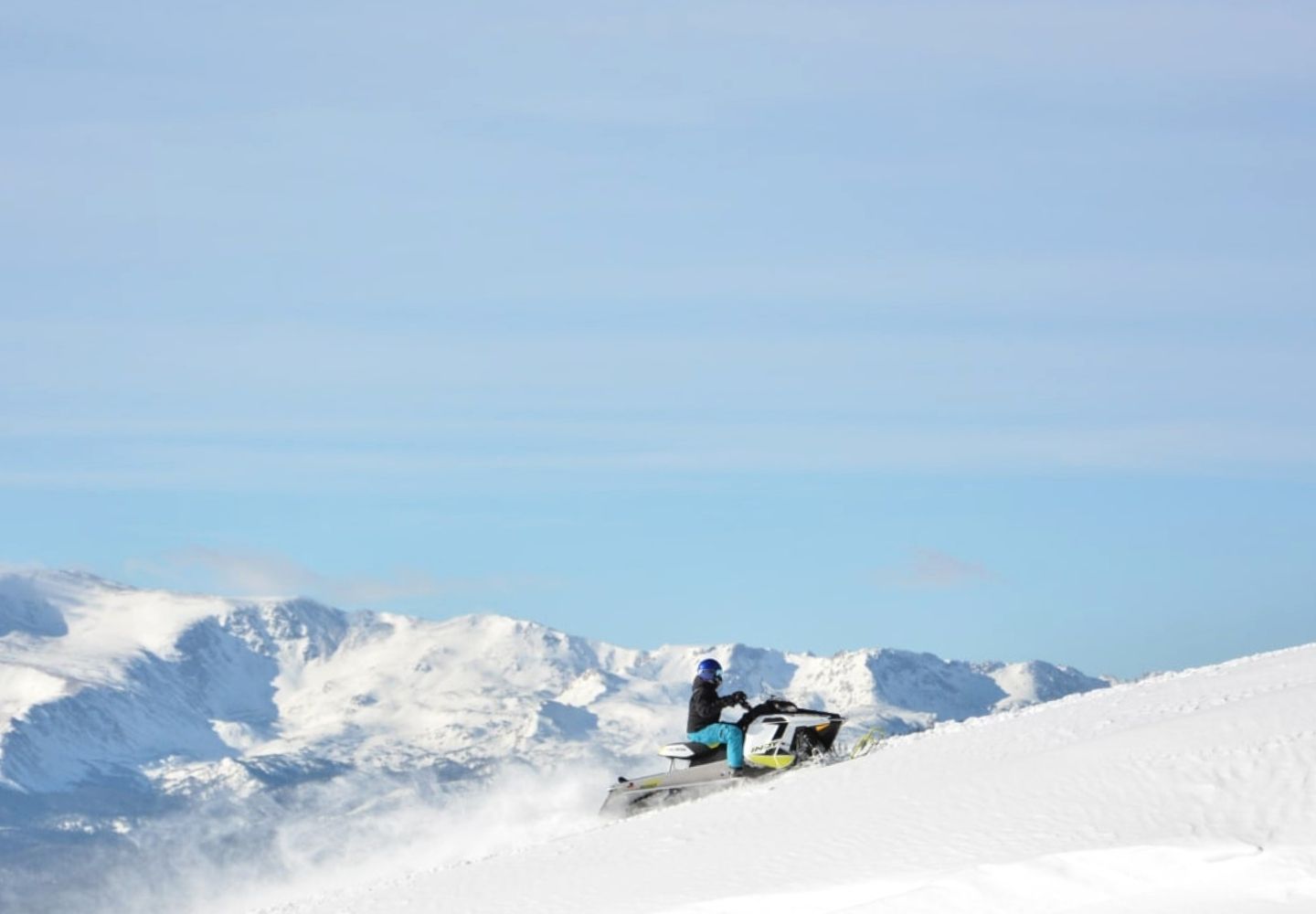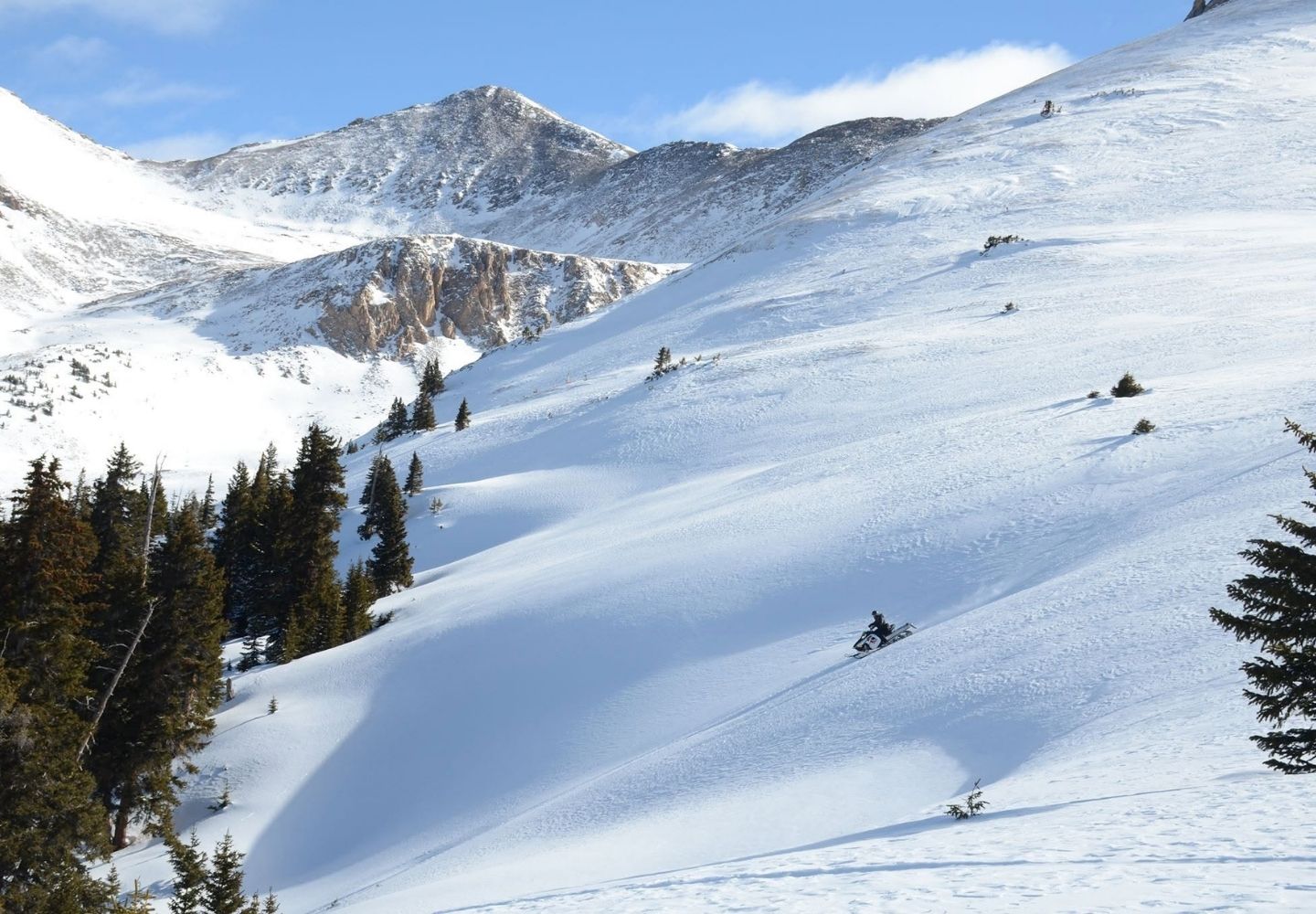
Whether you are coming to ride snowmobiles through the backcountry, zip line at 11,500 feet with our sister company Top of the Rockies Zip Line, explore Turquoise Lake, or just pass through on the way to other Colorado destinations, knowing what to expect at this elevation makes the difference between a great trip and a rough one.
Here is everything you need to know about the Leadville altitude before you arrive.
Table of Contents
- Leadville altitude
- Will the altitude affect me?
- How to avoid altitude sickness
- What the altitude does to everything else
- What to do in Leadville at high altitude
- FAQs
What Is the Altitude of Leadville, Colorado?
Leadville sits at 10,152 feet above sea level, making it the highest incorporated city in the United States and one of the highest cities in all of North America.
To put that in context: Denver sits at 5,280 feet. Breckenridge, one of Colorado’s highest resort towns, sits at 9,600 feet. Leadville is nearly 5,000 feet higher than Denver and still 500 feet above Breckenridge.
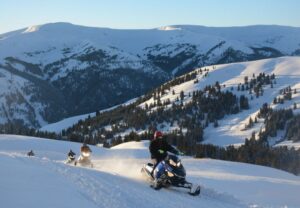
The surrounding terrain climbs even higher. Mount Elbert, Colorado’s highest peak at 14,440 feet, is visible from Leadville. The snowmobile terrain operated by White Mountain Snowmobile Tours runs between 11,000 and 12,000 feet on the slopes of Mount Arkansas. You will be riding well above the town itself.
A quick reference for comparison:
- Sea level: 0 feet
- Denver: 5,280 feet
- Breckenridge: 9,600 feet
- Leadville: 10,152 feet — highest city in the US
- White Mountain snowmobile terrain: 11,000 to 12,000 feet
- Mount Elbert (visible from Leadville): 14,440 feet
Will the Altitude Affect Me?
Probably, especially on the first day. Most visitors from lower elevations notice at least mild effects such as headache, shortness of breath, fatigue, or trouble sleeping. These are normal and manageable with a little preparation.
At 10,152 feet, the air contains roughly 30% less oxygen than at sea level. Your body responds immediately: breathing rate increases, heart rate goes up, and your kidneys begin excreting bicarbonate to adjust blood chemistry. This cascade is normal, but it takes time to settle.
Acute mountain sickness (AMS) is the medical term for the collection of symptoms you might experience. It typically appears within a few hours of arriving at altitude and includes:
- Headache (the most common symptom)
- Fatigue and weakness
- Shortness of breath with mild exertion
- Nausea or loss of appetite
- Difficulty sleeping
- Lightheadedness
Fitness level does not protect you. Very fit visitors can still develop AMS if they ascend quickly from low elevation. The body needs time, not conditioning, to adjust.
Severe altitude sickness – high-altitude pulmonary edema (HAPE) or high-altitude cerebral edema (HACE) – is rare but serious. If you experience severe shortness of breath, confusion, inability to walk a straight line, or symptoms that worsen rather than stabilize, descend to a lower elevation immediately and seek medical attention.
How to Avoid Altitude Sickness in Leadville
Ascend gradually, hydrate aggressively, avoid alcohol and heavy exertion on day one, and give your body 24 to 48 hours before pushing hard. These four steps account for most cases of preventable altitude sickness.
Ascend Gradually When Possible
The single most effective thing you can do is give your body time to adjust before reaching Leadville’s elevation. If your trip allows it, spend a night in Denver (5,280 feet) or a Summit County town like Breckenridge or Frisco (9,600 feet) before arriving in Leadville. Each step up gives your body more time to adapt before the final jump.
If you are flying directly into Denver and driving straight to Leadville the same day, be prepared for a rougher adjustment. The elevation change from sea level to 10,000+ feet in a single day is significant.
Hydrate Before and During Your Visit
Dehydration accelerates altitude sickness symptoms, and is easy to fall into at high elevation. The dry mountain air pulls moisture from your body faster than you expect, and the mild cold can suppress your thirst response. Aim to drink significantly more water than you normally would, starting the day before your arrival.
Avoid alcohol for at least the first 24 hours if possible. Alcohol suppresses your breathing response to low oxygen, increases dehydration, and makes altitude symptoms noticeably worse. The effects of alcohol are also amplified at altitude. What feels like one drink at sea level hits harder above 10,000 feet.
Caffeine is more nuanced. Some research suggests mild caffeine can slightly improve breathing response, but caffeine also has a diuretic effect that can worsen dehydration. If you are a regular coffee drinker, it is fine to have your normal amount, just offset it with extra water.
Take It Easy on Day One
This is the rule most visitors ignore, and it is the one that causes the most regret. Leadville is a destination where there are things to do and tours to take, but strenuous activity on the first day dramatically increases AMS risk.
If you are booking a snowmobile tour for your first day in town, that is manageable. The Prospector Tour is a guided, moderate-paced experience on groomed trails, not intense physical exertion. You are on the machine, not hiking. The Performance Tour and High Adventure Tour involve more physical demand; if you are arriving from low elevation, consider booking those for day two.
Rest well between activities, eat regular small meals, and avoid heavy meals in the first 24 hours. Your digestive system is also working harder at altitude.
Consider Altitude Medications
Some travelers consult their doctor before visiting high-altitude destinations about acetazolamide (Diamox), a prescription medication that speeds up acclimatization by encouraging the kidneys to excrete bicarbonate more quickly. It is not a cure for altitude sickness, but it can reduce the severity of AMS symptoms for visitors on tight timelines. Talk to your healthcare provider well before your trip if this is something you want to consider.

What the Altitude Does to Everything Else
Elevation changes more than just your breathing; it affects sun exposure, temperature, sleep, and even alcohol tolerance in ways that catch visitors off guard.
Sun Exposure
At 10,000+ feet, there is significantly less atmosphere between you and the sun. UV radiation at Leadville’s elevation is roughly 25% more intense than at sea level. Even in winter, and especially in snow (which reflects UV), sunburn is a real risk. Wear sunscreen and a hat, and do not assume that overcast skies mean you are safe. UV penetrates cloud cover.
Temperature
Temperatures at Leadville’s elevation run 20 to 30 degrees cooler than Denver on the same day. At 11,000 to 12,000 feet on the snowmobile terrain, wind chill can push that further. Summer visitors are often surprised by how cold it gets, especially in the shade or at speed. For snowmobile tours year-round, dress in full insulated layers: waterproof jacket and pants, gloves, goggles or sunglasses, and a face covering. See the White Mountain FAQs for specific gear requirements.
Sleep
Many visitors sleep poorly their first night in Leadville, even if they feel fine during the day. Periodic breathing, a pattern of shallow breathing followed by brief pauses during sleep, is common at high altitude and can cause disturbed sleep or a sense of breathlessness upon waking. This usually improves by the second or third night. Sleeping at a slightly lower elevation (Breckenridge or Frisco) if you have the option can help.
Alcohol
One drink at 10,000 feet hits harder than one drink at sea level. The altitude-related decrease in blood oxygen, combined with alcohol’s suppression of breathing response, creates a compounding effect. Visitors who overdrink on their first night in Leadville frequently report some of the worst altitude sickness experiences the following day. Moderate is the right approach for at least the first 48 hours.
What to Do in Leadville at High Altitude
Answer: Leadville has plenty to offer at every activity level, and the high elevation is part of what makes it special, not just a challenge to manage.
For visitors planning snowmobile tours with White Mountain Snowmobile Tours, the tours themselves are conducted at even higher elevations (between 11,000 and 12,000 feet on private land) with views of the Sawatch Range that most people only see from a summit. The slower-paced Prospector Tour at Turquoise Lake is an excellent option for day one, combining spectacular alpine scenery with manageable physical demand.
For a full list of local restaurants, lodging, activities, and transportation options, the Trip Planning page has local recommendations from the White Mountain team.
Plan Your Visit to Leadville
Location: Leadville is located at 6492 Highway 91 and 1668 County Road 99, depending on your chosen tour. Both locations are within 10 minutes of downtown Leadville.
Tour times are 9 AM, 12 PM, and 3 PM daily. Arrive 30 minutes before your scheduled tour. Guests not properly dressed for cold high-altitude conditions will be unable to participate.
Ready to ride above the clouds? Book your snowmobile tour at White Mountain Snowmobile Tours — and come prepared for one of the highest adventure experiences in the country.
FAQ: Leadville Altitude
What is the altitude of Leadville, Colorado?
10,152 feet above sea level. Leadville is the highest incorporated city in the United States. Snowmobile tours in the area operate at 11,000 to 12,000 feet.
Will I get altitude sickness in Leadville?
Possibly, especially on day one. Mild symptoms – headache, fatigue, shortness of breath – are common for visitors from lower elevations. Most people manage well with hydration, rest, and a slower pace on the first day.
How do I avoid altitude sickness in Leadville?
Ascend gradually, hydrate aggressively, avoid alcohol for the first 24 hours, and take it easy on day one. Spending a night in Denver or Breckenridge before arriving in Leadville helps considerably.
Is Leadville too high for some people?
People with heart or lung conditions, pregnant individuals, and very young children should consult a doctor. Most healthy adults can visit safely with proper preparation.
What elevation are the snowmobile tours at?
Between 11,000 and 12,000 feet on private land including the slopes of Mount Arkansas, operating above the treeline with views of 14,000-foot peaks.
How long does it take to adjust to Leadville’s altitude?
Initial adjustment begins within 1 to 3 days. Full acclimatization can take one to three weeks. For a short visit, the goal is managing symptoms, not fully acclimating.
What should I bring for cold weather at altitude in Leadville?
Full insulated winter layers: waterproof jacket and pants, gloves, goggles or sunglasses, face covering, and insulated waterproof boots. White Mountain provides helmets; all other gear is the guest’s responsibility.
| Ready to Experience Leadville From 11,000 Feet?
White Mountain Snowmobile Tours has been guiding adventures above Leadville since 1991. Come prepared, dress warm, and let us show you the Rockies from the top. |